

How to Choose an Orthodontist Near Muddy Creek: A Parent’s Honest Guide
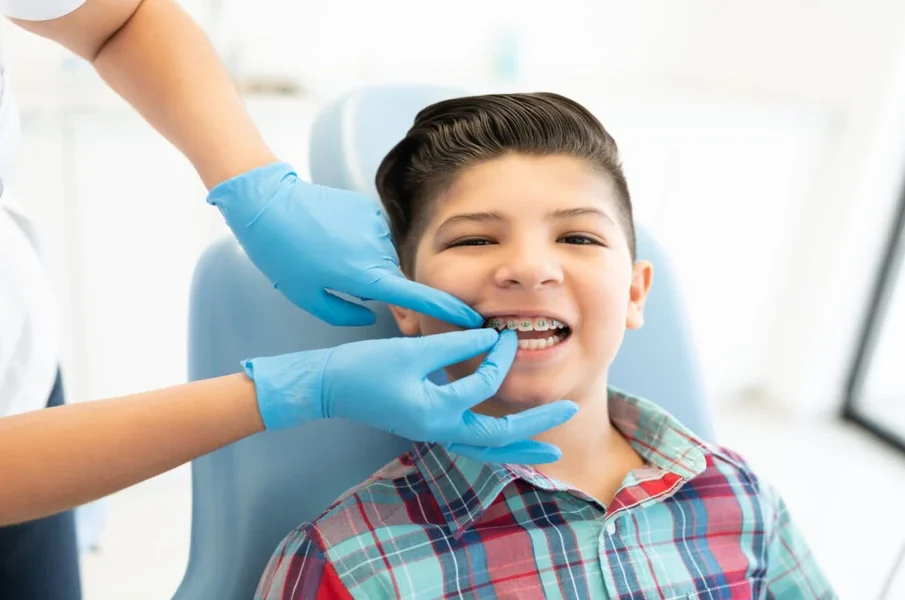
Five questions. That’s how many it takes to separate a great orthodontic practice from a mediocre one, and almost nobody asks them on the first phone call. Most parents in Muddy Creek start with the same move I did: search for the nearest office, book the appointment, and hope. I’ve now sat through consultations at three different practices, with two kids and a lot of coffee, and the difference between offices has almost nothing to do with the waiting room decor.
Here’s what actually matters. The right practice answers your questions before you think to ask them, treats early observation as a service rather than a sales funnel, and gives a clear reason for every step of treatment. The wrong one tells you your eleven-year-old needs braces by next Tuesday and stops there. If you’re weighing your options, the team at this orthodontist near Muddy Creek follows the first pattern, but you should still run the checklist below on any office you visit, including theirs.
This guide breaks down the five questions to ask, a sample first visit you can copy, and the timing rules most parents get wrong. By the end you’ll know exactly how to read a consultation instead of just sitting through one.
Why the “nearest office” strategy backfires
Convenience matters. Nobody wants a 40 minute drive with a kid who has a bracket poking his cheek. But proximity is the one factor that’s easy to check and the least predictive of a good outcome. What you’re really shopping for is judgment: someone who knows when to wait, when to intervene, and how to explain the difference to a nervous parent.
Every orthodontist is trained in the same core skill set. They straighten misaligned teeth and correct bite problems with braces or clear aligners. The variations come in philosophy and communication, and those are what you’re choosing between.
The other thing parents miss: early consultations are often free, and you can schedule more than one. Treat the first appointment like a test drive. You’re evaluating them as much as they’re evaluating your kid’s smile.
Five questions that do most of the work
Ask these on the phone before you ever leave the driveway. The answers tell you more than a brochure ever will.
- Who actually does the treatment? Ask whether the doctor handles adjustments or whether assistants do most of the hands-on work. Both can be fine. You just want to know up front.
- What’s the timeline, and what happens if it slips? A good office gives a range and explains why it varies. A vague “depends” without context is a warning sign.
- What does the total cost cover? Braces and aligner pricing should include adjustments, retainers, and emergency visits, or clearly spell out what’s extra. Get it in writing.
- What’s the retainer plan? Straight teeth drift. Ask how long retainers are included and what replacements cost, because this is where surprise bills live.
- How do you handle a broken bracket on a Saturday? The answer reveals how the practice treats inconvenience. Look for a clear protocol, not a shrug.
If a practice stumbles on three or more of these, keep calling.
The timing question parents get wrong
Most parents assume orthodontic care starts in the teen years. The recommendation is earlier than that. According to the American Association of Orthodontists, kids should get a first checkup around age seven, because that’s when the jaw’s growth pattern becomes visible. It doesn’t mean treatment starts then. It means you get a baseline while change is still easy to steer.
For adults, the reverse assumption is wrong. There’s no upper age limit on braces or clear aligners, and plenty of adults sign up in their thirties and forties. The teeth move fine. Discretion and scheduling are the actual concerns, which is why clear aligners get popular with the office crowd.
Here’s my honest take: go to the early observation appointments, then wait. I’ve watched parents jump at braces for a kid whose molars needed two more years to come in. Waiting was the right call, and the practice that recommended it earned my trust instantly.
A sample first visit, minute by minute
Knowing the shape of a consultation removes half the anxiety. Here’s how a well run first appointment usually unfolds, based on my three office visits.
- Intake and photos. You fill out forms, then a technician takes digital scans or impressions and a set of photographs. Most offices skip the goopy trays now and use an intraoral scanner instead. Ask which they use so you know what to expect.
- X-rays and evaluation. The doctor reviews the imaging and checks jaw alignment, bite, and spacing. This is when you’ll hear whether treatment is needed now, later, or not at all.
- The plan conversation. You should get a proposed timeline, an option sheet with braces and aligners side by side, and a cost breakdown. Ask every question from the list above if you haven’t already.
- Financial walkthrough. Ask about payment plans, what insurance covers, and whether the practice handles claims for you.
- The decision window. A good office gives you time to think. Pressure to sign that day is your cue to walk.
Bring a notebook or use your phone. You will not remember the numbers afterward, and you’ll want them when you compare offices.
When clear aligners win, and when they don’t
Aligners get marketed as the modern choice, but they’re a tool with limits. They work best for mild to moderate crowding and spacing, and for teens and adults who’ll actually wear them the required hours per day. Compliance is the whole game. An aligner that sits in a case instead of on your teeth does nothing.
Traditional braces still outperform aligners for complex bite problems and cases that need rotation or significant jaw coordination. The brackets have come a long way too. They’re smaller and more comfortable than the version our parents wore. If a practice quotes you aligners for something complicated, ask what braces would do differently and listen closely to the answer.
Building a smile care routine that survives real life
Orthodontic hardware changes how you brush. The Centers for Disease Control and Prevention frames oral hygiene around the basics: brush twice daily with fluoride toothpaste and clean between the teeth every day. With braces, that routine needs extra time and a couple of tools, because brackets trap food in places floss can’t reach.
What works in practice:
- A soft bristle brush held at an angle so it reaches under the wire.
- Interdental brushes or a water flosser for the gaps between brackets.
- A travel kit in the school backpack or work bag, because lunch happens away from home.
- A retainer cleaning routine once treatment ends, since retainers get funky fast.
The American Dental Association is a good place to check current guidance on fluoride and brushing technique when you’re unsure. One habit tip from our house: we set a two minute timer and made it a family thing. My kids still brush longer than they did before braces, mostly out of habit now.
Also, read the food list the office hands you. It’s not a suggestion. Popcorn kernels and hard candy cost us one emergency visit and one very annoyed orthodontist.
The bottom line
Choosing an orthodontist is a judgment call, not a distance calculation. Ask the five questions, sit through a consultation with a notebook, compare two or three offices, and pay attention to who gives you a reason to wait instead of a reason to hurry. That practice is usually the right one.
Book the first consultation this week, not next month. Call and ask your five questions before you schedule, and see how the front desk responds. Their tone on that call is a preview of the next two years of your life.


