
5 Signs Your Home Systems Are Overdue for a Checkup
Most home disasters don’t arrive without warning. They whisper for months first. A slow drain here, a circuit breaker that keeps tripping, an AC that runs all afternoon but never quite cools the upstairs bedroom. The problem is that most of us only hear those whispers when they finally become very expensive shouts.
Your home runs on three core systems: plumbing, HVAC, and electrical. Each one degrades gradually. Each one has its own set of signals that something is off. And in every case, the gap between catching a problem early and ignoring it until failure is the difference between a service call and a full replacement. This article walks you through the clearest warning signs for each system, what they actually mean, and how to think about when to act.
The Three-Layer Home System Check
Before you start inspecting anything, it helps to have a mental model. Think of your home’s core systems in three layers: water, air, and current. Each layer has its own failure modes, its own inspection rhythm, and its own cost curve if neglected. The older your home, the more likely those layers are interfering with each other. Old galvanized pipes corrode and drop water pressure. Poor duct sealing forces your HVAC to overwork. Overloaded circuits heat up walls over decades. A problem in one layer almost always creates pressure in another.
Run through each layer at least once a year. Two of those annual checks should happen before summer and before winter, when demand on every system spikes hardest.
Sign 1: Your Water Bill Went Up and Nobody Changed a Habit
This is the most underrated red flag in residential plumbing. Families assume usage changes explain higher bills. Sometimes they’re right. But a sudden jump in your water bill that doesn’t track with any change in household behavior is almost always a leak somewhere in the system.
According to the EPA’s WaterSense program, the average family can waste 180 gallons per week, or 9,400 gallons of water annually, from household leaks alone. Most of that water disappears silently into walls, subfloors, or your yard before you ever notice a wet spot. A dripping faucet you’ve been ignoring, a toilet flapper that doesn’t seat correctly, or a slow seep behind the washing machine can run for a year before it shows up as visible damage.
Your best low-tech diagnostic tool: check your water meter, then don’t use any water for two hours, then check it again. If the numbers moved, you have a leak. Finding it is the next problem, and that’s where a licensed plumber earns their fee fast. The EPA’s WaterSense data also shows that fixing easily correctable household leaks can cut water bills by about 10 percent, so the call usually pays for itself quickly.
Sign 2: Your AC Runs Constantly but Struggles to Cool
In Texas, this one is easy to dismiss as “it’s just hot out.” And yes, 105-degree summer afternoons will stress any system. But there’s a real difference between a unit cycling on and off normally and a unit that runs for four straight hours and still can’t bring a room below 80 degrees. The second scenario is a problem.
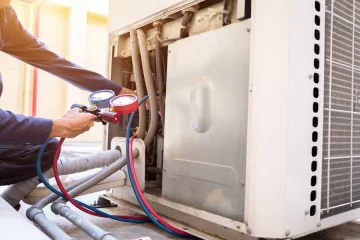
Continuous running without effective cooling usually points to one of four things: a dirty air filter choking airflow, refrigerant that’s low or leaking, coils that haven’t been cleaned in years, or a system that’s simply undersized or at the end of its service life. The average home spends nearly $1,900 a year on energy bills, and nearly half of that goes to heating and cooling costs. Dirt and neglect are the top causes of heating and cooling system failure and inefficiency, according to ENERGY STAR. That makes a filter swap or annual tune-up one of the best returns on investment a homeowner can get.
“Maintaining your equipment will keep your system operating at peak performance and prevent future problems and unwanted costs.”
ENERGY STAR, U.S. Environmental Protection Agency
Schedule a professional inspection before each cooling season, not after the first breakdown. ENERGY STAR recommends hiring a professional contractor for routine maintenance and booking early, before summer demand fills up every service calendar. Companies like Dailey Company offer year-round HVAC maintenance alongside plumbing and electrical services, which makes coordinating all three layers much simpler for Texas homeowners.
Sign 3: Breakers Trip More Than Once a Month
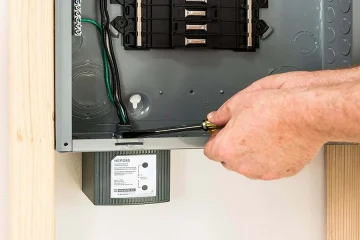
A breaker that trips once is doing its job. A breaker that trips regularly on the same circuit is telling you something specific: that circuit is drawing more current than it was designed to handle. That happens when you’ve added appliances over the years without updating the wiring or panel, which is extremely common in homes built before 1990.
Repeated tripping isn’t just annoying. It’s a slow-building fire risk. According to NFPA research, electrical distribution and lighting equipment caused an average of 30,740 home fires per year from 2016 to 2020. Overloaded circuits and aging wiring are among the most cited contributing factors. The NFPA’s report on electrical distribution fires found that 40 percent of these fires occurred in the three coldest months of the year, when electrical demand spikes sharply across every room of the house.
If your panel is original to a home built more than 30 years ago, or if you’ve noticed outlets that feel warm to the touch, flickering lights not related to a bulb issue, or a burning smell that comes and goes, book an electrical inspection. Don’t put it off because nothing has caught fire yet.
Sign 4: Hot Water Runs Out Faster Than It Used To
Water heaters are one of the most overlooked appliances in a home until the morning shower goes cold in four minutes. Sediment buildup inside the tank is the most common culprit. Over time, minerals from your water supply settle at the bottom of the tank, reducing its effective capacity and forcing the heating element to work harder. You’ll notice it as reduced hot water volume, a popping or rumbling noise from the unit, or both.
A water heater flush once a year can extend the unit’s life significantly. If yours is more than ten years old and showing these signs, a professional evaluation is worth the time. Tankless options have gotten much more practical in recent years if you decide replacement makes more financial sense than repair.
Sign 5: Your Home Has a Persistent Smell That Comes and Goes
Intermittent smells are the hardest to diagnose and the easiest to rationalize away. A sulfur or rotten-egg smell that comes and goes could be a gas leak, and that one warrants an immediate call, not a wait-and-see approach. A musty smell concentrated near vents often means mold is growing inside your ductwork, a direct result of poor HVAC maintenance or a duct leak pulling humid air into the system. A faint burning smell near outlets or the electrical panel is a warning from your wiring.
The “I only smell it sometimes” framing is exactly what makes these signals dangerous. Intermittent means the condition is present but not yet constant. That’s not reassurance. That’s an early window.
A Quick Decision Guide
| Warning Sign | Most Likely System | Act Within |
|---|---|---|
| Unexplained water bill spike | Plumbing | 1 to 2 weeks |
| AC runs constantly, poor cooling | HVAC | This week |
| Breakers tripping repeatedly | Electrical | Immediately |
| Hot water depletes faster than before | Plumbing / Water Heater | 2 to 4 weeks |
| Burning smell near outlets or panel | Electrical | Immediately |
| Musty smell from vents | HVAC / Ductwork | 1 to 2 weeks |
| Sulfur or rotten-egg smell | Gas / Plumbing | Right now |
The Honest Bottom Line
None of these warning signs resolve themselves. The water keeps leaking, the coils keep getting dirtier, the overloaded circuit keeps heating up. Catching any one of these problems at the first whisper is almost always cheaper and faster than catching it after something fails. Your home is constantly telling you what it needs. The question is whether you’re paying attention before the bill gets too high to ignore.