
Common Challenges in Working with Fused Quartz
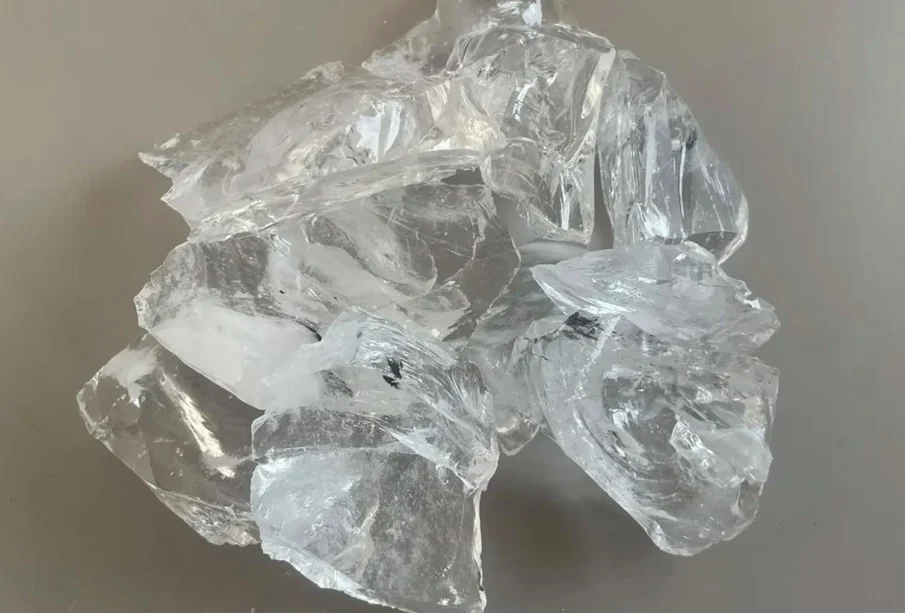
Fused quartz is a remarkable material widely used in industries ranging from optics to electronics, aerospace, and laboratory equipment. Its unique combination of thermal stability, chemical resistance, and optical clarity makes it invaluable for applications that demand high precision and durability. Despite these advantages, working with fused quartz presents a set of distinct challenges that professionals must address to ensure optimal performance and longevity of the final product. Understanding these challenges is critical for manufacturers, engineers, and researchers who rely on fused quartz for high-stakes applications.
Fused quartz is composed of pure silica in an amorphous form, which grants it exceptional resistance to thermal shock and chemical corrosion. Its low thermal expansion coefficient allows it to maintain dimensional stability under extreme temperature fluctuations. Its optical transparency across a wide range of wavelengths makes it essential in precision instruments such as lenses, windows, and scientific apparatus. However, these same properties that make fused quartz valuable also contribute to the difficulties encountered during handling, fabrication, and installation.
Fragility and Handling Concerns
One of the most common challenges in working with fused quartz is its brittleness. While it exhibits excellent thermal and chemical resilience, it is highly susceptible to mechanical stress and impact. Even minor drops or pressure during handling can cause cracks, chips, or fractures. This fragility requires specialized handling techniques, including padded transport, careful storage, and the use of non-abrasive gloves to prevent surface damage.
During manufacturing and assembly, fused quartz components must be carefully supported and aligned to avoid undue stress. Sudden or uneven force can lead to microfractures, which may not be immediately visible but can compromise long-term durability. Professionals must train personnel in proper handling protocols and ensure that workspaces are designed to minimize the risk of accidental impacts.
Surface contamination is another handling concern. Oils, dust, and other particulates can adhere to fused quartz surfaces, impacting optical clarity and bonding processes. Cleaning procedures must be rigorous, using solvents and techniques compatible with fused quartz, to maintain surface integrity and performance.
Precision Fabrication Challenges
Fabricating fused quartz into precise shapes and dimensions is inherently challenging due to its hardness and brittleness. Traditional cutting and shaping methods used for metals or plastics are often unsuitable. Instead, specialized techniques such as diamond cutting, ultrasonic machining, or laser ablation are required. These processes demand high skill, precision equipment, and careful monitoring to prevent cracks, chipping, or thermal stress.
Polishing fused quartz to achieve optical clarity presents additional difficulties. Even minor imperfections, scratches, or inclusions can affect performance in optical or scientific applications. Achieving uniform surface quality requires meticulous polishing and often multiple stages of abrasion with progressively finer materials. This level of precision increases production time and cost, making quality control a critical aspect of working with fused quartz.
Bonding fused quartz to other materials also presents challenges. Its low thermal expansion and high chemical inertness make adhesion difficult without specialized adhesives or coatings. Mismatched thermal properties between fused quartz and adjacent materials can lead to stress fractures during heating or cooling cycles, requiring careful selection of compatible materials and bonding techniques.
Thermal and Mechanical Stress Considerations
Although fused quartz has outstanding resistance to thermal shock compared to ordinary glass, it is not entirely immune to thermal stress during fabrication or use. Rapid temperature changes can cause uneven expansion, leading to cracks or distortions. Heating and cooling processes during annealing, shaping, or coating must be carefully controlled to maintain structural integrity. Professionals often rely on slow, controlled temperature ramps to minimize the risk of thermal-induced defects.
Mechanical stress is another concern during installation and operation. Fused quartz components in industrial or scientific systems are often subjected to mounting forces, vibration, or pressure. Ensuring proper support and avoiding concentrated stress points is essential to prevent fracture. Design considerations may include custom holders, cushioning materials, or flexible mountings to distribute loads evenly.
Cost and Availability Factors
Working with fused quartz can be expensive due to the specialized manufacturing, handling, and quality control required. High-purity fused quartz, in particular, demands rigorous production standards to minimize inclusions, bubbles, and defects. Any damage during fabrication or handling represents not only material loss but also time and labor costs associated with precision work.
Availability of high-quality fused quartz can also present challenges, particularly for custom sizes or complex geometries. Lead times may be extended for specialty orders, and sourcing reliable suppliers is essential to maintain project timelines. Professionals must factor these considerations into project planning and budgeting to avoid delays or compromises in quality.
Mitigating Challenges Through Expertise and Technology
Despite these challenges, successful work with fused quartz is achievable through careful planning, skilled labor, and appropriate technology. Advanced CNC machinery, laser cutting, and precision polishing tools allow manufacturers to create complex shapes with minimal risk of damage. Training and standardized handling procedures reduce the likelihood of fractures or surface defects.
Quality assurance measures, including inspection for microfractures, dimensional accuracy, and surface clarity, ensure that fused quartz components meet stringent application requirements. Environmental controls, such as dust-free workspaces and stable temperature conditions, further enhance success rates. By combining expertise with modern fabrication technologies, the challenges of working with fused quartz can be effectively managed.
Additionally, design strategies that account for fused quartz’s properties improve durability in final applications. Incorporating support structures, thermal buffers, and stress-relief designs helps minimize the impact of mechanical and thermal stress. Collaboration between material scientists, engineers, and technicians ensures that fused quartz components perform reliably under demanding conditions.